
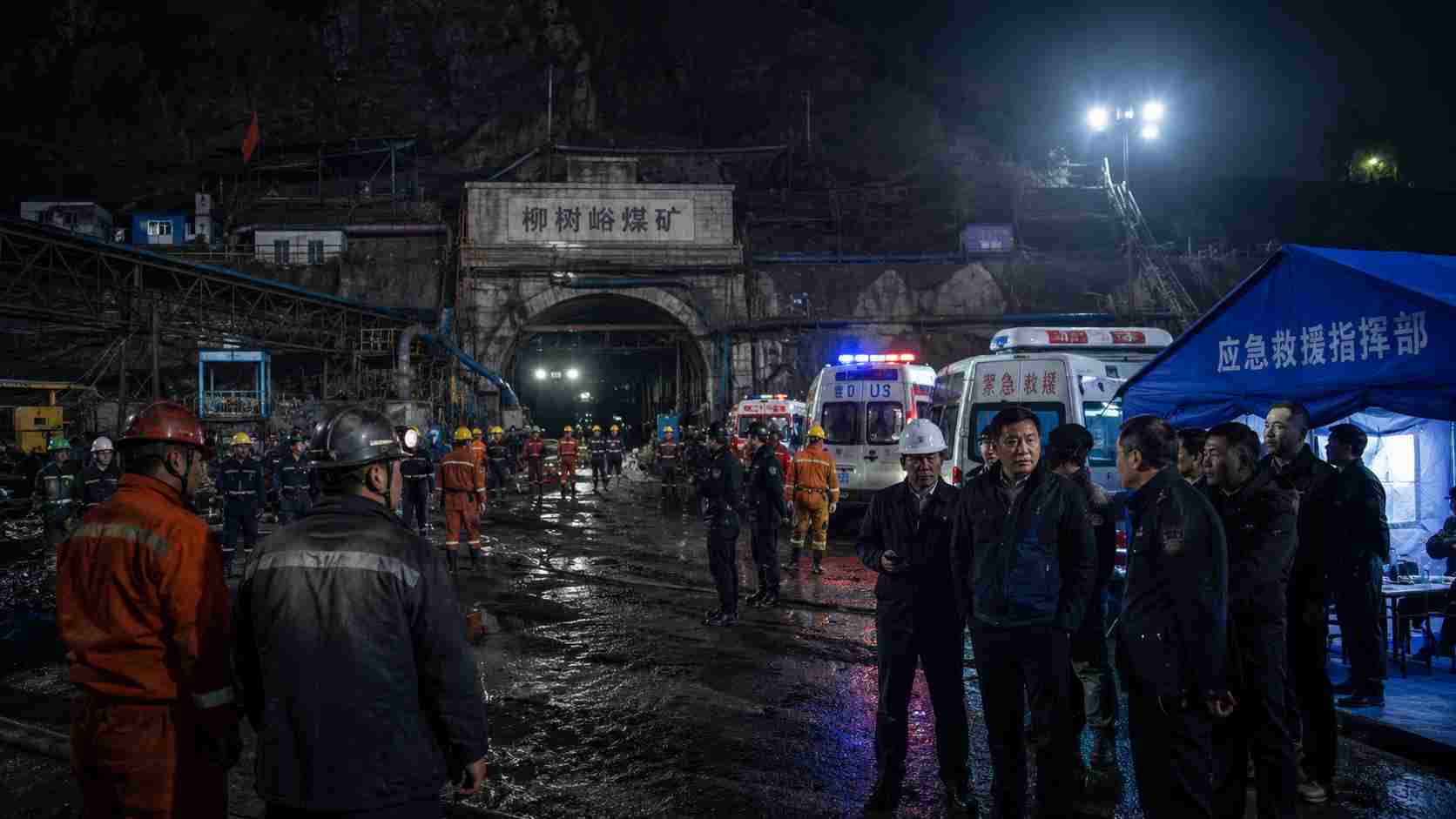
Chongqing flooding has killed three people and left 17 others missing after sudden extreme rainfall hit Yongchuan district in southwestern China from Saturday night into Sunday morning, according to Reuters and Chinese state media reporting on May 24, 2026.
The disaster matters beyond the immediate rescue effort because the affected area now faces a repair bill for roads, bridges, schools, hospitals, and other public services. China’s National Development and Reform Commission said it arranged 20 million yuan in central budget funds to support emergency recovery and restoration.
Search and rescue work was still underway as authorities reported the casualties. The confirmed numbers remain a snapshot of a developing situation, with the missing count leaving room for the toll to change.
Context
Chongqing is a large municipality in southwest China with mountainous districts, dense river networks, and urban-rural communities that can be vulnerable when intense rain falls quickly. Yongchuan district was the focus of the latest flooding and related geological hazards.
The event follows a period of heavy rains across parts of central and southern China in May 2026. Reuters reported earlier in the week that torrential rain had killed at least 21 people across southern and central China, with floods, landslides, and urban flooding affecting multiple provinces.
China regularly uses central budget investment and emergency-response mechanisms after severe floods and geological disasters. The latest allocation for Chongqing fits that pattern: Beijing releases funds to help local authorities reopen damaged public infrastructure and restore basic services.
Mechanism
The immediate trigger was sudden extreme rainfall. When a large volume of rain falls over a short period, drainage systems, slopes, rivers, and small waterways can be overwhelmed.
In mountainous or semi-mountainous areas, that can produce several hazards at once. Floodwater can damage roads and bridges, while saturated ground can raise the risk of landslides or other geological disasters.
The central funding mechanism is designed to move money quickly from Beijing to an affected area. In this case, the National Development and Reform Commission said the 20 million yuan allocation would support post-disaster emergency recovery, especially damaged infrastructure and public-service facilities.
Stakeholders
The most directly affected stakeholders are residents in Yongchuan district, especially families of those killed or missing and communities cut off or disrupted by flood damage. For them, the issue is immediate: finding missing people, securing homes, reopening roads, and restoring daily routines.
Local authorities face pressure to continue search operations, assess damage, prevent secondary disasters, and get basic services running again. That includes checking risk points such as damaged slopes, low-lying areas, and weakened buildings.
Beijing’s role is financial and administrative. The central allocation signals that the damage is significant enough to require national support, but it also puts pressure on local implementation: money has to become usable repairs, not just a budget line.
Businesses and supply chains may also be affected, depending on which roads, bridges, factories, and logistics routes were disrupted. Even localized flooding can slow deliveries, raise repair costs, and divert public resources from other priorities.
Data and Evidence
The verified casualty figure reported on May 24 was three dead and 17 missing. Reuters attributed the figures to state-run Xinhua, while Chinese reports described the rainfall in Yongchuan as sudden and extreme.
The confirmed central allocation was 20 million yuan, or about $2.94 million at Reuters’ conversion. The National Development and Reform Commission said the money came from central budget investment and would support disaster recovery in Chongqing.
Chinese reporting said the funds would focus on damaged roads, bridges, and other infrastructure, as well as public-service facilities such as schools and hospitals. The stated goal was to help restore normal production and daily life as soon as possible.
The National Disaster Prevention, Reduction and Relief Commission also activated a Level IV national disaster-relief emergency response for Chongqing on May 24, according to Chinese reports citing the emergency plan and the scale of reported losses.
Analysis
The strongest explanation is that Beijing is treating the Chongqing flooding as both a humanitarian emergency and a public-infrastructure problem. The casualty count captures the human toll, but the relief allocation shows the state’s immediate concern with keeping roads, public services, and local activity from staying offline.
That matters because extreme-weather damage can create a chain reaction. A broken road delays rescue crews and goods. A damaged bridge slows commuters and deliveries. A closed school or hospital turns a weather event into a wider public-service disruption.
The 20 million yuan allocation is not, by itself, a full measure of the disaster’s total cost. It is an emergency recovery signal. Larger costs may emerge after damage surveys, reconstruction planning, and any additional support decisions.
Counterpoint
The full scale of the disaster remains uncertain because 17 people were still listed as missing in the latest verified reports. Until search operations and damage assessments are complete, the casualty toll and economic impact cannot be treated as final.
There is also a difference between allocating funds and completing recovery. Central money can help reopen damaged infrastructure, but the speed and quality of restoration depend on local conditions, continued weather risk, engineering assessments, and the availability of crews and materials.
Another uncertainty is how much of the disruption will affect broader supply chains. The available reporting confirms casualties, missing people, damaged public infrastructure, and relief funding, but it does not yet establish a wider national economic impact from this specific Chongqing event.
Consequence
The immediate consequence is a rescue-and-recovery operation in Yongchuan district, backed by central funding and a national emergency-response designation. Authorities are expected to focus on searching for missing people, repairing damaged infrastructure, and reducing the risk of secondary disasters.
For residents, the practical consequences are more basic: whether roads reopen, whether schools and clinics can function, whether homes remain safe, and whether families get clear information about missing relatives.
For policymakers, the flooding adds to the fiscal pressure created by repeated weather disasters. Each event requires emergency spending, inspections, repairs, and sometimes reconstruction, all while local governments are already balancing public-service obligations and economic-development targets.
What to Watch
The first thing to watch is whether the missing count changes as rescue work continues. Any update to the casualty figures would materially alter the scale of the human toll.
The second is whether Beijing or Chongqing announces additional funding after damage assessments. The initial 20 million yuan allocation covers emergency recovery, but larger repair needs could require more money.
The third is whether officials identify specific infrastructure failures, closed routes, school or hospital damage, or secondary geological hazards. Those details will show whether the event remains localized or becomes a broader disruption for public services and commerce.
Sources
Sources = Three dead and 17 missing after flooding in China’s Chongqing — Reuters — May 24, 2026 Sources = 国家发改委:紧急安排2000万元支持重庆严重洪涝和地质灾害灾后应急恢复 — 中国新闻网 / 国家发展改革委微信公众号 — May 24, 2026 Sources = 重庆市永川区突发瞬时极端特大暴雨引发山洪和地灾 — 永川发布 / 新浪财经 — May 24, 2026 Sources = At least 21 killed as heavy rains drench southern, central China — Reuters — May 19, 2026